Black lawn mower icon.

Different Types of Lawn Grasses

January 8, 2026
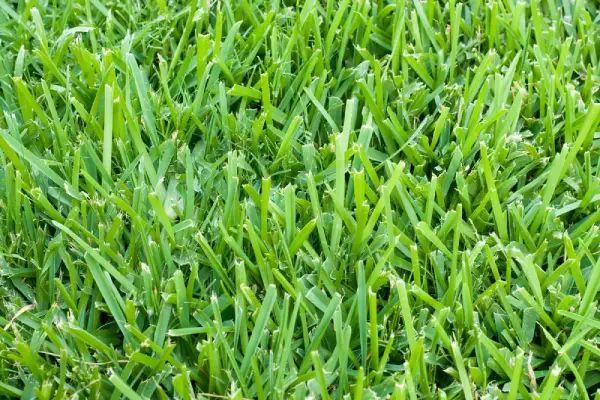
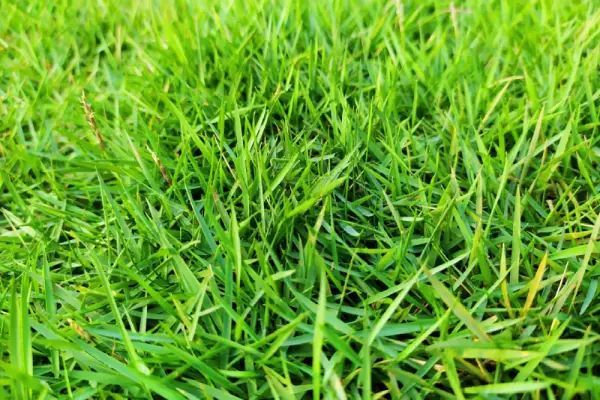
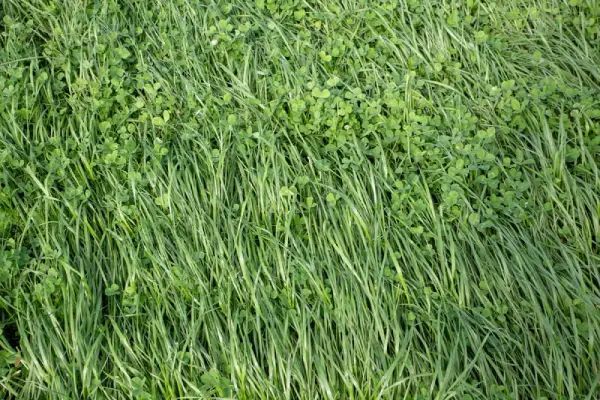
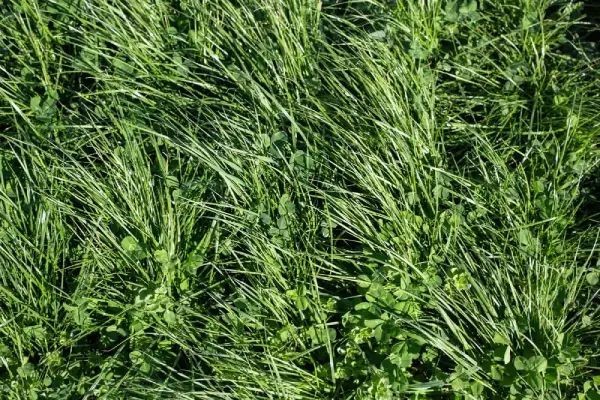
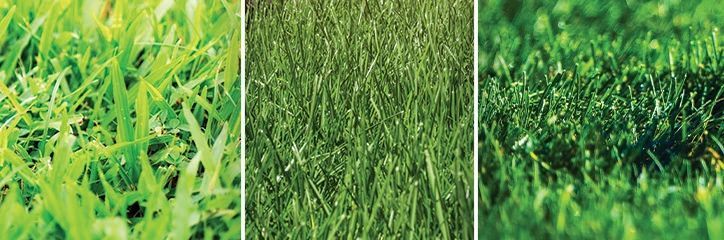
Close-up shots of three different types of green grass.

The Grounds Guys Provide Insight on Why Identifying Your Type of Grass Is Important.

  • Identify climate suitability for each grass type.
  • Consider maintenance requirements.
  • Evaluate aesthetic preferences.
  • Assess durability and usage needs.

Last Updated July 13, 2023

The key to having a lush, green lawn is choosing the right type of lawn grass for your unique climate and lifestyle. The experts at The Grounds Guys® can help you decide which type of grass is best for you. Read on to learn more about the different types of grasses to determine which will best suit your needs, whether you are starting from scratch or ready to make a change for the better.

Table of Contents:

  • Location, Location, Location
  • Warm Season Grasses
  • Bahia Grass
  • Bermuda Grass
  • Buffalo Grass
  • Centipede Grass
  • St. Augustine Grass
  • Zoysia Grass
  • Cool Season Grasses
  • Annual Ryegrass
  • Perennial Ryegrass
  • Bentgrass
  • Fine Fescue
  • Kentucky Bluegrass
  • Tall Fescue
  • Grasses in the Transition Zone
  • Frequently Asked Questions (FAQs)

Location, Location, Location

Lawn grass is typically divided into two categories: warm-season and cool-season grasses. Choosing the right grass for your property starts with identifying your region. Is your home located in the North, South, or transition zone? Once you determine your zone, you can select a grass that is suited for your particular region.


Warm Season Grasses

Warm-season grasses exhibit active growth between April and October and are heat and drought-tolerant. During the winter months and cooler temperatures, most varieties will enter a period of dormancy where they may turn brown and stay that way until the warmer temperatures return. Popular examples of warm-season grasses are:

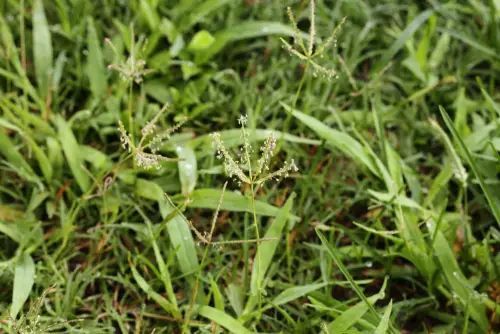
Green grass with small, light-colored seed heads.

Bahia Grass

Soil Type – Tolerates poor soil conditions

Shade Tolerance – Some shade

Foot Traffic – Moderate to high

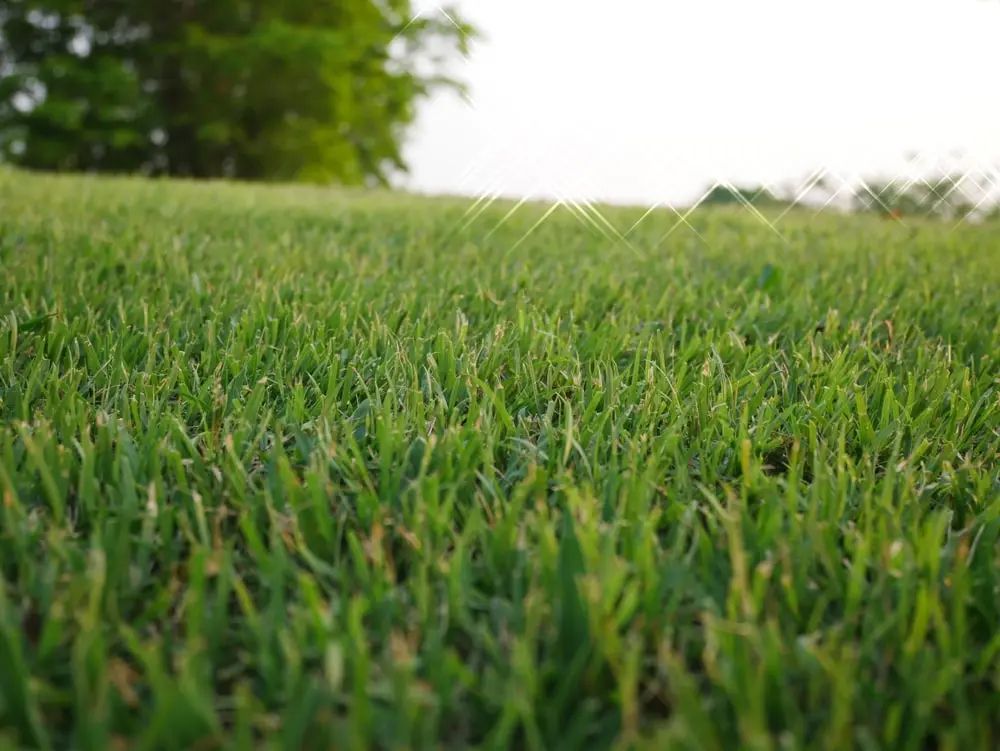
Close-up view of bright green grass with sunlight, a blurry tree in the background.

Bermuda Grass

Soil Type – Tolerates poor soil conditions

Shade Tolerance – Low

Foot Traffic – Moderate to high

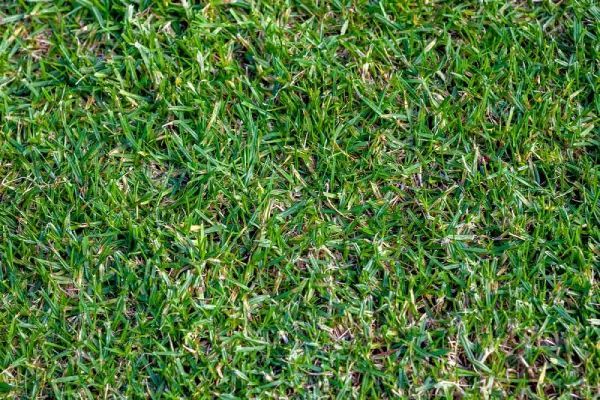
Close-up of vibrant green grass, evenly covering a lawn.

Buffalo Grass

Soil Type – Well-drained soil is required

Shade Tolerance – Low

Foot Traffic –High

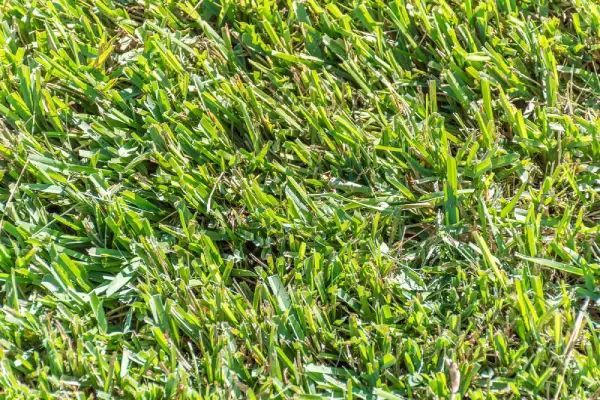
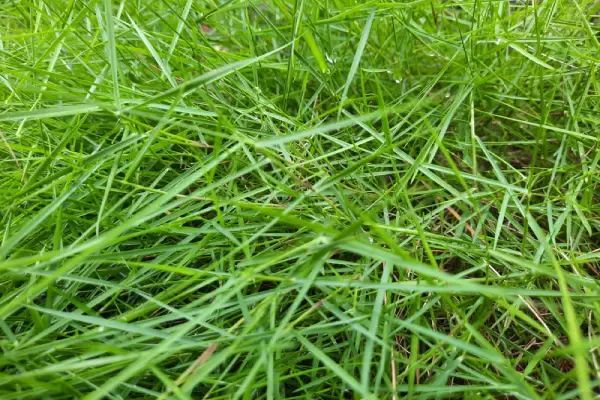
Green grass close-up, illuminated by sunlight.

Centipede Grass

Soil Type – Prefers low pH soils

Shade Tolerance - Low

Foot Traffic - Low

Close-up of bright green grass blades.

St. Augustine Grass

Soil Type – Well-drained soil is required

Shade Tolerance – High

Foot Traffic - Moderate

Green pachysandra ground cover with white flower clusters.

Zoysia Grass

Soil Type – Well-drained soil is required

Shade Tolerance – Low to moderate

Foot Traffic - High

Cool Season Grasses

Cool-season grasses are the ideal choice in areas with extreme seasonal fluctuations, where summers are hot and dry, and winter temperatures fall below freezing. They grow most actively during the spring and fall when temperatures range between 60 and 75 degrees and may go dormant during periods of extreme heat. Some of the most common lawn grass for cool-season climates are:

Green field of grass and clover.

Annual Ryegrass

(requires annual planting)

Soil Type – Well-maintained soil is required

Shade Tolerance – Moderate

Foot Traffic - Moderate to high

Green grass and clover ground cover.

Perennial Ryegrass

Soil Type – Well-maintained soil is required

Shade Tolerance – Moderate

Foot Traffic – Moderate to high

Close-up of bright green grass blades, possibly with morning dew.

Bentgrass

(carefully maintained soil is required)

Shade Tolerance – Moderate

Foot Traffic – High

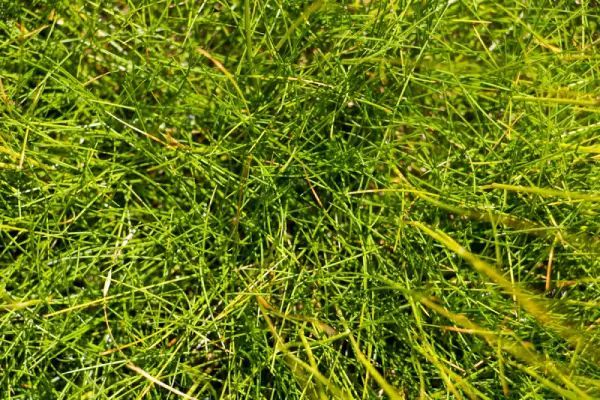
Close-up view of bright green grass, with thin blades and some brown stems.

Fine Fescue

Soil Type – Tolerates poor soil conditions

Shade Tolerance – High

Foot Traffic – Low to moderate

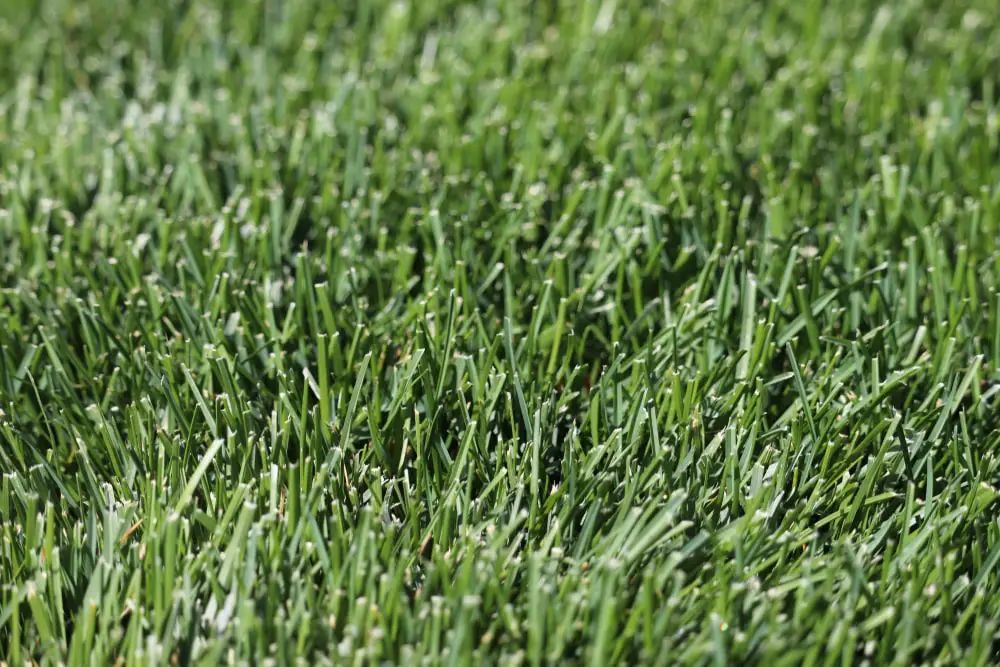
Close-up of vibrant green blades of grass, showing texture and detail.

Kentucky Bluegrass

Soil Type – Well-drained soil

Shade Tolerance – Moderate

Foot Traffic – High

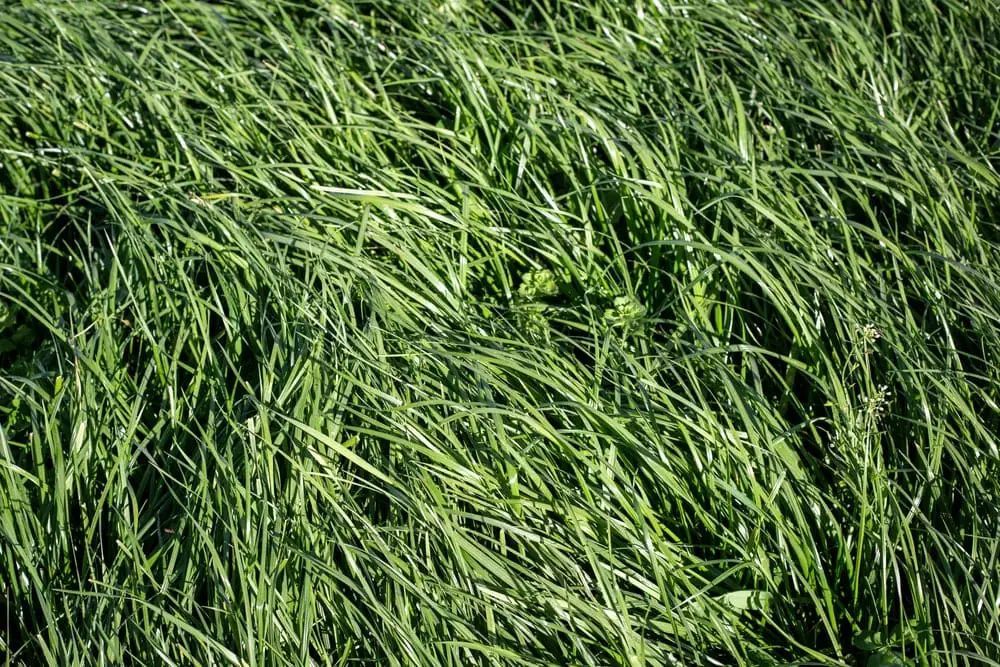
Low-growing, bluish-green juniper shrub with scale-like foliage. Partially visible, light brown pebbles in foreground.

Tall Fescue

Soil Type – Tolerates poor soil conditions

Shade Tolerance – Medium

Foot Traffic – Medium to high

Grasses in the Transition Zone

This area of overlap between the two major zones requires a type of grass that can endure a variety of climate types and tolerate cold weather. Lawns may be seeded with a mixture of warm and cool grasses to ensure optimal growth year-round, although the results may vary greatly depending on the exact location, altitude, and quality of lawn care. Other factors determining the success of transitional grass types include the amount of sun and shade, water availability, and foot traffic the lawn receives.


Different types of lawn grass will do well in this region, including common lawn grass types such as Bermuda, zoysia, and fescue

Frequently Asked Questions (FAQs)

  • Can I mix different types of grasses in my lawn?

    With so many different types of lawn grass available, you might be tempted to mix varieties. But since cool-season grasses thrive when temperatures are cooler, and warm-season grasses do best during the summer, you won’t get the desired results you’re looking for when you combine different types of grasses. However, you can mix different types of lawn grass varieties, but they must be the same species. The problem is that each type of grass usually has different sun, water, and nutrient requirements, so one grass might suffer while the other thrives.


  • How do I know which type of grass is best for my lawn?

    Your location is one of the most essential factors in determining which type of grass is best for your lawn. For example, suppose you live in the Northern region of the U.S. In this case, cool-season grasses will thrive. These include common lawn grass such as Bluegrass or regrass. Warm-season grasses will thrive on landscapes in the Deep South/Gulf region, such as Bermuda and centipede grasses. Finally, transitional grasses, like zoysia, fescue, and Bermuda, will thrive in the areas between the Deep South/Gulf and Northern Regions, such as Southern California, Tennessee, Kentucky, and other transitional climate states.


  • Which grass is best for areas with varying temperatures?

    There are over 10,000 different types of grass for lawns in the world. But if you live in an area where temperatures vary, you’ll want a grass type that can tolerate both cold and warm temperatures. These types of grasses are transitional grasses, which include common lawn grass types such as Bermuda and St. Augustine, which you’ll find predominately throughout the southeast states.

Choose the Right Grass for Your Lawn

Selecting the best lawn variety boils down to choosing a grass type that will thrive where you live and under the right conditions — based on the amount of shade and sun it requires. You'll also want to consider other factors, such as your family's needs, watering requirements, and the amount of time and effort necessary to keep it healthy and looking its best. Is the grass purely ornamental, or will children and pets use the lawn daily? Do you live in an area with water restrictions?


Finally, while proper lawn maintenance is essential to keep any type of grass healthy and thriving, it requires time and effort. If you need help, find The Grounds Guy's location near you and let our experts do all the work. We specialize in lawn maintenance and landscape services that boost curb appeal, help control pests and weeds, and create a yard your neighbors will envy. And with work that’s backed by the Neighborly Done Right Promise™, your satisfaction is guaranteed. Contact us today to request a free estimate!


FAQs About Types of Lawn Grasses

Our 200 franchise locations across the U.S. and Canada share a common goal — using our years of experience and expertise to help you bring the vision for their property to life. This includes answering questions you have about landscaping and lawn care. Below are answers to some of the most frequently asked questions about types of grass.


What Is the Difference Between Cool-Season and Warm-Season Grass?

Cool-season and warm-season grasses differ primarily in their growth patterns and temperature preferences. Cool-season grasses grow most actively during spring and fall when temperatures range between 60–75°F, making them ideal for northern regions with freezing winters; they enter dormancy during extreme summer heat. Cool-season grass types include Kentucky bluegrass, tall fescue, and perennial ryegrass.


Warm-season grasses thrive from April through October. They experience peak growth in summer heat and have excellent drought tolerance. However, they enter dormancy during winter months, often turning brown until warmer temperatures return. Popular types of grass suitable for warm seasons include Bermuda, Zoysia, and St. Augustine grass.


Key growth differences between the grass types:

  • Cool-season grasses: Active growth in 60–75°F temperatures (dormant in extreme summer heat)
  • Warm-season grasses: Active growth in 80–95°F temperatures (dormant in temperatures below 50°F)


Which of these grass types is right for your lawn depends entirely on your regional climate. Generally, northern areas favor cool-season varieties and southern regions favor warm-season grasses. If you’re unsure, consult a landscaping professional for a recommendation based on your location.


Which Type of Lawn Grass Is Best Suited for Shaded Areas?

Several grass types demonstrate excellent shade tolerance, though their performance varies based on your climate zone. For cool-season regions, fine fescue offers the highest shade tolerance among lawn grasses, thriving in only 4–6 hours of sunlight daily. Kentucky bluegrass  and perennial ryegrass  provide moderate shade tolerance, requiring at least 6 hours of filtered sunlight daily.


In warm-season climates, St. Augustine grass  stands out as the most shade-tolerant option, performing well with just 4–5 hours of daily sunlight. Zoysia grass  offers low-to-moderate shade tolerance, while Bermuda and centipede grasses  struggle in shaded conditions and require full sun exposure.


Shade-tolerant grass rankings:

  • Excellent shade tolerance: Fine fescue (cool-season), St. Augustine (warm-season)
  • Moderate shade tolerance: Kentucky bluegrass, perennial ryegrass, annual ryegrass
  • Low shade tolerance: Tall fescue, Zoysia, Bahia grass
  • Poor shade tolerance: Bermuda, centipede, buffalo grass


For heavily shaded areas receiving less than 4 hours of sunlight, consider alternative ground covers or consult with a lawn care professional about specialized grass blends designed for your region.


How Do I Choose the Right Grass Type Based on Region and Climate?

Selecting the appropriate grass type starts with identifying your climate zone, as this determines which grass species will thrive long-term. Northern regions with freezing winters and moderate summers require cool-season grasses like Kentucky bluegrass, tall fescue, or fine fescue that can withstand temperature fluctuations and remain green during cooler months.


Southern regions with hot summers and mild winters benefit from warm-season grasses, such as Bermuda, Zoysia, or St. Augustine, which tolerate heat stress and drought conditions while going dormant during brief winter periods.

The transition zone (areas like Tennessee, Kentucky, and Southern California) presents unique challenges requiring careful grass selection. These regions can support both cool and warm-season varieties, though success depends on specific microclimates, elevation, and local weather patterns.


Regional grass selection guide:

  • Northern states: Kentucky bluegrass, tall fescue, fine fescue, perennial ryegrass
  • Southern states: Bermuda, Zoysia, St. Augustine, centipede, Bahia grass
  • Transition zone: Tall fescue, Zoysia, Bermuda (climate-adapted varieties)
  • High altitude areas: Cool-season grasses regardless of latitude


When exploring types of grasses, consider additional factors including soil drainage, sun exposure, foot traffic levels, and maintenance preferences. Professional soil testing reveals pH levels and nutrient content, which can influence grass type suitability. Consult a landscaping professional to ensure you select a variety that offers a good match for both your climate zone and the specifics of your yard.


This article is intended for general informational purposes only and may not be applicable to every situation. You are responsible for determining the proper course of action for your home and property. The Grounds Guys are not responsible for any damages that occur as a result of this blog content or your actions. For the most accurate guidance, contact The Grounds Guys location nearest you for a comprehensive, on-site assessment.

Recent Posts

Home maintenance checklist with tools and blue background.
January 9, 2026
The Grounds Guys Outline Essential Landscape Maintenance Steps for A Beautiful Home Exterior. Regular mowing and edging for a neat lawn Pruning shrubs and trees to promote healthy growth Mulching garden beds to retain moisture and suppress weeds Seasonal clean-up to remove debris and enhance curb appeal
Sprinkler spraying water onto green grass.
January 9, 2026
The Grounds Guys Explain if A Sprinkler System Is Worth the Monthly Water Bill. Assess your lawn's watering needs and local climate Compare manual vs. automatic watering efficiency Calculate potential water savings and costs Consider long-term lawn health and property value Factor in installation and maintenance expenses If you still water your lawn manually, you may stick with this technique because you’re worried that installing an automatic sprinkler system will increase your monthly water bill. Rest assured that most sprinklers improve watering efficiency to lower your water usage! Use the information here to help you determine if the costs associated with a sprinkler system are worth it, and how to maximize your investment.
Sunlight streams through trees onto a grassy field.
January 9, 2026
The Grounds Guys Provide Insights on Heat-Resistant Grasses. Choose warm-season grasses like Bermuda or Zoysia. Ensure proper watering techniques to maintain health. Mow at recommended heights for optimal growth. Fertilize appropriately to strengthen grass resilience. Maintaining a healthy and beautiful-looking lawn requires time and effort, but it starts with having the right grass for your climate. If you live in an area that experiences high temperatures, you need grass that will not only survive the heat but thrive in it. Unlike their cool-season counterparts, warm-season grasses thrive in the heat. In fact, their peak growing season is the middle of summer. Additionally, many — but not all — warm-season grasses are drought tolerant. Read on to learn more about the best grass for hot weather.