

The Grounds Guys Outline Essential Landscape Maintenance Steps for A Beautiful Home Exterior. Regular mowing and edging for a neat lawn Pruning shrubs and trees to promote healthy growth Mulching garden beds to retain moisture and suppress weeds Seasonal clean-up to remove debris and enhance curb appeal
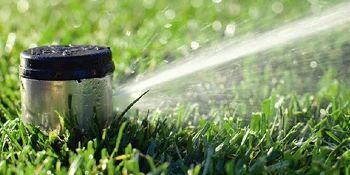
The Grounds Guys Explain if A Sprinkler System Is Worth the Monthly Water Bill. Assess your lawn's watering needs and local climate Compare manual vs. automatic watering efficiency Calculate potential water savings and costs Consider long-term lawn health and property value Factor in installation and maintenance expenses If you still water your lawn manually, you may stick with this technique because you’re worried that installing an automatic sprinkler system will increase your monthly water bill. Rest assured that most sprinklers improve watering efficiency to lower your water usage! Use the information here to help you determine if the costs associated with a sprinkler system are worth it, and how to maximize your investment.

The Grounds Guys Provide Insights on Heat-Resistant Grasses. Choose warm-season grasses like Bermuda or Zoysia. Ensure proper watering techniques to maintain health. Mow at recommended heights for optimal growth. Fertilize appropriately to strengthen grass resilience. Maintaining a healthy and beautiful-looking lawn requires time and effort, but it starts with having the right grass for your climate. If you live in an area that experiences high temperatures, you need grass that will not only survive the heat but thrive in it. Unlike their cool-season counterparts, warm-season grasses thrive in the heat. In fact, their peak growing season is the middle of summer. Additionally, many — but not all — warm-season grasses are drought tolerant. Read on to learn more about the best grass for hot weather.
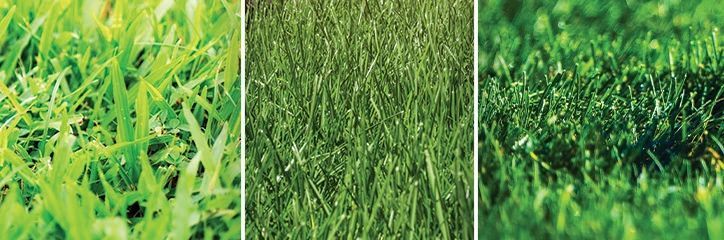
The Grounds Guys Provide Insight on Why Identifying Your Type of Grass Is Important. Identify climate suitability for each grass type. Consider maintenance requirements. Evaluate aesthetic preferences. Assess durability and usage needs.

The Grounds Guys Offer Expert Tips to Maintain a Lush, Green Lawn: Water deeply and infrequently to encourage deep root growth. Mow at the right height to prevent stress on grass. Fertilize appropriately to provide essential nutrients. Control weeds to reduce competition for resources. Aerate soil to improve air and nutrient penetration.
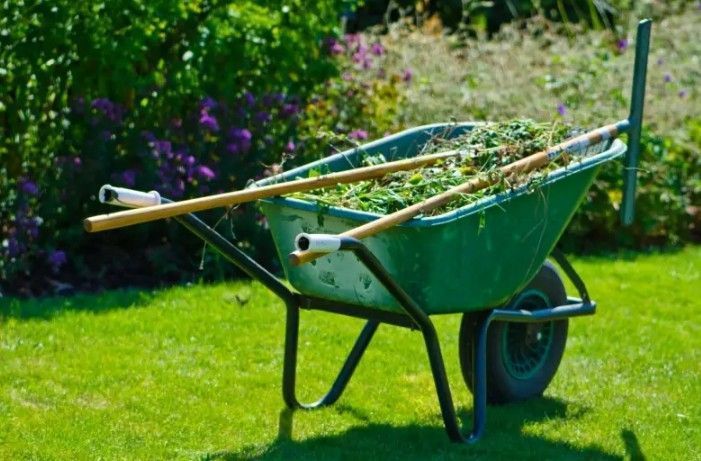
The Grounds Guys Outlines Essential Steps for A Thorough Spring Clean-Up. Remove debris from lawns and gardens. Prune trees and shrubs for healthy growth. Aerate and fertilize the soil. Mulch flower beds to retain moisture. Inspect irrigation systems for efficiency. Spring is a time of growth and change. It’s also the perfect opportunity to tidy up your property after the long winter and ensure your yard is healthy and beautiful. A spring cleanup will get your yard in excellent shape for the upcoming season. At The Grounds Guys®, we are spring cleanup pros. We’ll take you through all the steps of the spring cleanup landscaping process so you will know what your yard needs when winter ends!
The Grounds Guys Provide Guidance on When to Stop Watering Your Lawn in The Fall: Monitor local weather patterns for consistent cooler temperatures. Gradually reduce watering frequency as temperatures drop. Cease watering when the ground begins to freeze. Consider the type of grass and its dormancy period. Adjust based on regional climate variations. Last Updated June 1, 2023 The intensity of the heat and the sun during the summer months can wreak havoc on your lawn and outdoor plants—but consistent watering practices make it easier to maintain a lush green lawn throughout the growing season. However, once fall arrives, it is time to change the way you water your lawn to prepare for the colder weather ahead. Here are some of the best practices for fall lawn care, from the lawn care experts at The Grounds Guys. Table of Contents: How Often to Water Grass in the Fall The Importance of Proper Lawn Watering in the Fall The Role of Temperature and Humidity in Fall Lawn Watering The Effects of Drought on Your Lawn in the Fall Tips for Conserving Water and Maintaining a Healthy Fall Lawn Fall Lawn Care Tips Mowing Fertilizing Weeding Overseeding Aerating Mulching/Raking What to Do If Your Lawn Needs Extra Water in the Fall How Often to Water Grass in the Fall Property owners often ask, “how many times should I water my grass each week?” Generally speaking, most lawns remain healthy with 1 to 1.5 inches of water weekly, which can be distributed in one or two sessions. However, seasonal changes shift your lawn’s needs. So, how much should you water your lawn in the fall? If you live in an area that has four distinct seasons, autumn is a time when temperatures begin to drop, the days become shorter, and the growth of your grass begins to slow down. With less heat and sunshine, your lawn needs less water. That doesn’t mean that you should stop watering altogether, though. When it comes to how often to water grass in fall, here are some general rules to follow: Continue to provide supplemental moisture as needed until the ground is frozen. If your area receives one inch or more of precipitation per week, you don't need to water. During times when the weather is warm and dry, continue to water a few times a week. In the case of a new lawn or one that has been overseeded, maintain regular watering practices to establish roots and promote growth. Here are some ways to determine if your lawn is receiving enough: Check the soil: If you can stick a screwdriver 6 inches deep into the soil, you're good to go. Multiply and divide: Homeowners with sprinkler systems can multiply the square footage of their lawn by 0.62 gallons, then divide by the gallons per minute (flow rate). Check your sprinkler system’s flow rate. Measure the water with cans: If you water with sprinklers, place empty cans around the lawn. (Tuna or cat food cans work well.) Then measure the time it takes to accumulate 1 to 1.5 inches of water in each can. The Importance of Proper Lawn Watering in the Fall A long hot summer can take a toll on your grass. The good news is that watering your lawn in the fall can help it recover from the stress of summer. Fall's cooler temperatures make it the perfect time for your grass to bounce back to optimal health. Although the guidelines for how often to water grass change in the fall, you still need to water your lawn. Proper watering ensures your lawn stays healthy and strong entering the winter months. It will also help it thrive once spring arrives. There are many ways to water your lawn, from sprinkler to smart watering systems and water hoses. For the best results, water your lawn during the early morning hours. Watering in the morning results in less evaporation due to the cooler temperatures. Conversely, avoid watering your grass at night, as it takes more time to dry, which can lead to fungus and other lawn diseases. A properly working irrigation system will ensure your lawn gets the right amount of water. If your system needs repairs or an upgrade, The Grounds Guys can help. Our local experts specialize in irrigation system repairs, maintenance, and installation. And with our Neighborly Done Right Promise®, your satisfaction is guaranteed. The Role of Temperature and Humidity in Fall Lawn Watering Fall means cooler temperatures, which is great for lawns. However, you'll still want to water your grass until freezing temperatures arrive. When it's freezing outside, water won't penetrate the frozen ground, so avoid watering when the temperature is 30 degrees Fahrenheit or below. If you live in a humid climate, it can help reduce water use. When there's humidity, there's moisture, which keeps your lawn hydrated longer. This means you can reduce watering by shaving a few minutes off the sprinkler timer and save water. When watering your lawn in the fall, use the weather to your advantage. If the forecast calls for rain, turn off your sprinklers and let nature do its thing. As long as your lawn is getting some water in the fall, the ‘how’ doesn’t matter. The Effects of Drought on Your Lawn in the Fall Irrigating your lawn is an important part of keeping it healthy and green. But there are times when there's just not enough water to go around. Drought can wreak havoc on a lawn. It can cause the grass to wilt and stay at after it's been stepped on by foot traffic. During dry seasons, your once lush, green grass will turn brown and its growth will slow considerably. Your grass will also thin out during these dry spells. During a drought, your lawn is more vulnerable, so keep a close eye on it because this is when weeds can overtake your grass. Many types of grass can go up to six weeks without water. So, just because your grass is thinning and looks brown, it doesn't necessarily mean it's dying. Your lawn is just responding to current conditions and conserving nutrients until it receives water again. Tips for Conserving Water and Maintaining a Healthy Fall Lawn Water conservation helps to ensure there's enough water for everyone in the community, and preserves our natural resources. By conserving water, we can help reduce droughts. But water conservation doesn't mean your lawn has to suffer. In fact, you can keep your lawn green without using too much water. The following tips can help you conserve water and maintain a healthy lawn in the fall: Check for leaks in the irrigation system. Water early morning and at dusk, which are the best times to water your lawn because temperatures are at their lowest. Periodically measure how much water you're using. Water your lawn less often. Collect rainwater. Aerate your lawn. Remove weeds and select drought-resistant plants for your garden. Set your mower to a height of about 2 inches. Consider installing artificial turf. Fall Lawn Care Tips Along with managing your lawn’s water intake, follow our fall maintenance tips. These practices can keep your lawn beautiful in the cooler weather and help it to come back stronger and healthier next spring.

Grass paint offers a fast, eco-friendly solution for enhancing lawns, especially during droughts or seasonal dormancy. The Grounds Guys® experts highlight the benefits of lawn paint for curb appeal, emphasizing the following: Lawn paint creates an even, natural-looking green lawn instantly. Ideal for drought, pet spots, and high-traffic areas. Works as a quick fix while permanent lawn care improvements are underway. Professional services ensure a flawless finish and long-lasting results.

Fairy rings are circular patches or mushroom rings caused by soil-dwelling fungi that disrupt lawn health and appearance. The Grounds Guys® experts explain how to identify, treat, and prevent fairy rings using proven lawn care methods. Identify fairy rings by darker grass, dead patches, or mushroom growth in circular patterns. Treat by aerating, dethatching, watering deeply, and applying wetting agents or fungicides if needed. Maintain balanced fertilization and proper mowing to reduce fungal spread. Improve drainage and remove buried organic debris to prevent recurrence. Contact professionals if rings persist or cause turf damage.
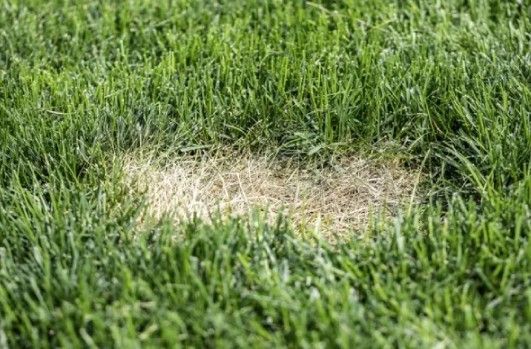
Brown patch lawn disease, caused by Rhizoctonia solani, can quickly destroy turf during hot, humid weather. The Grounds Guys® experts explain how to identify, treat, and prevent brown patch fungus through balanced lawn care and proper maintenance practices. Key Takeaways: Recognize symptoms such as circular brown patches, smoky gray rings, and leaf lesions. Treat brown patch fungus with early morning watering, aeration, balanced fertilization, and selective fungicides. Prevent recurrence by improving drainage, reducing thatch, and mowing at the right height. Avoid overwatering and excessive nitrogen, which promote fungal growth. For severe or recurring infections, professional lawn care may be necessary.

Each November, we have a chance to do something truly special. The Grounds Guys’ 21st Annual WeCARE Week™ kicks off on November 3, 2025. This cherished event is more than just a week on the calendar – it's a time for us to join hands with our communities and show how much we care through volunteerism, outreach, and thoughtful giving. Started as a tribute to Monika Woerlen and her seven children, who passed away in 2004, WeCARE Week embodies the heart of The Grounds Guys and our internal Code of C.A.R.E.: Customers first, Attitude, Respect, and Enjoy life in the process. Over the years, this initiative has grown into a powerful movement across North America, with franchise owners, team members, and community partners coming together to create positive change. This WeCARE Week, we’re inviting our teams to give back and we want to share some helpful tips that reflect our services so you can spruce up your own community and make a lasting impact. 1. Give Your Local Park a Fall Cleanup Litter and overgrowth can easily pile up in our favorite community spaces. Volunteering to clean up a local park is a great way to make these areas more enjoyable for everyone. Gather a group to pick up trash, clear walking paths, or tidy up common areas. Tip from The Grounds Guys: Fall cleanup is essential not only in public spaces but also in your own yard. By removing debris, fallen leaves, and dead branches, you help protect your lawn from winter damage and create a cleaner environment for everyone to enjoy. 2. Plant a Tree or Shrub for a Lasting Gift Planting trees or shrubs in community spaces is a gift that keeps on giving. Trees improve air quality, provide shade, and beautify the area for years to come. If your community allows it, consider planting a tree in honor of someone special or to commemorate WeCARE Week. Tip from The Grounds Guys: If you’re interested in adding new plants to your yard, now is the perfect time to schedule tree and shrub planting before winter hits. Not only does this enhance your home’s curb appeal, but it also benefits the environment. 3. Brighten Up Your Neighborhood with Holiday Lights Many communities face budget limitations, making it difficult to decorate for the holidays. Team up with neighbors to create a simple but joyful light display for a local park or community center. A few strings of lights can make a big impact and bring joy to everyone who sees them. Tip from The Grounds Guys: Many locations offer holiday lighting services to help make your home or business shine with seasonal spirit. From classic white lights to colorful displays, our team can create a custom look that fits your style and spreads cheer throughout the neighborhood. 4. Organize a Food or Coat Drive With winter around the corner, many families face increased challenges, especially when it comes to keeping warm. Hosting a coat drive or gathering essential items like non-perishable foods, blankets, and socks can make a world of difference to those in need. A local shelter, food bank, or community center is a great place to drop off your donations. Tip from The Grounds Guys: As you prepare your property for winter, consider scheduling winterization services to ensure your outdoor spaces stay in great condition. Winterization includes trimming overgrown branches, protecting fragile plants, and applying protective mulch, helping your landscape weather the cold months. 5. Honor Local First Responders with a Simple ‘Thank You’ Firefighters, police officers, EMTs, and other first responders work tirelessly year-round to keep our communities safe. Consider delivering a homemade meal or a handwritten note to your local fire station or police department. Showing appreciation can make a big difference in their day and reminds them of the support they have from the community. Tip from The Grounds Guys: For businesses and homeowners alike, keeping your outdoor areas safe and accessible is a must. Consider our snow and ice management services to ensure pathways are clear and safe during the winter season, not only for family and customers but also for emergency personnel who may need quick access. Make WeCARE Week Last All Year Long WeCARE Week is a reminder of how we can each contribute to making our communities better places. The Grounds Guys are honored to participate each year through volunteering, donations and community projects, and we encourage you to join us in carrying forward the spirit of C.A.R.E. beyond November. Whether it’s through small acts of kindness or ongoing volunteer efforts, together we can make a lasting impact. Thank you to all our team members, franchise owners, and customers who make WeCARE Week possible. Here’s to another inspiring week of giving back – and to many more years of creating positive change in our communities! This article is intended for general guidance only and may not be applicable to every situation. You are responsible for determining the proper course of action for your property and your situation. The Grounds Guys is not responsible for any damages that occur as a result of any advice or guidance derived from blog content. For the most accurate guidance, contact an independently owned and operated The Grounds Guys for more information and a professional on-site assessment.
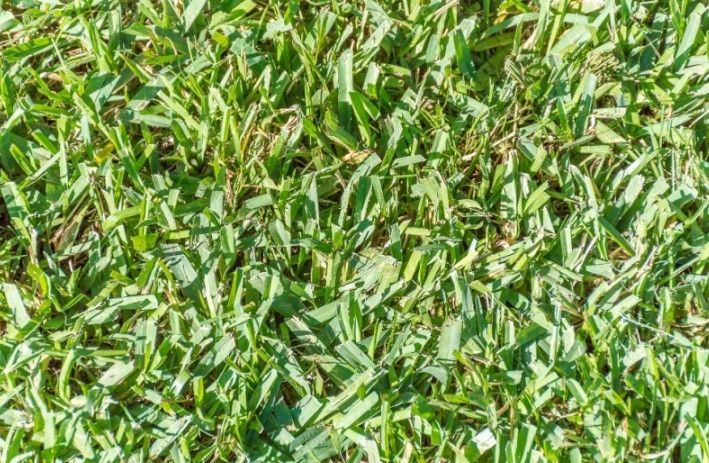
The Grounds Guys Provide Expert Guidance on Maintaining Centipede Grass. Choose a sunny location with well-drained soil. Test soil pH and adjust to 5.0-6.0. Water deeply but infrequently to encourage deep roots. Fertilize sparingly to prevent excessive growth. Mow to 1.5-2 inches for optimal health. Known as “the lazy man’s grass,” centipede grass has a lot going for it, especially if you prefer a low-maintenance lawn. However, it doesn’t thrive everywhere in the United States and requires some level of care. In the right type of soil and climate, centipede grass can thrive, giving homeowners a beautiful, thick lawn. Table of Contents: What Is Centipede Grass? Essential Centipede Grass Care Tips Choosing the Best Fertilizer for Centipede Grass Troubleshooting Common Problems With Centipede Grass When to Reach Out to a Professional for Centipede Grass Care What Is Centipede Grass? Native to China and Southeast Asia, centipede grass seed was introduced to the U.S. in the early 20th century, and it’s been a favorite turfgrass option ever since. Known for its short, needle-like appearance, centipede grass is coarse in texture and medium to light green in color. It earned its nickname of “the lazy man’s grass” due to its slow growth, with less frequent mowing and fertilization compared to other grasses. It also grows well in poor soil conditions. So, what’s the catch? Centipede grass prefers a warm, humid climate, meaning it’s best suited for the Southeastern part of the country. If your little pocket of paradise includes cold winters or dry summers, centipede grass seed probably isn’t right for your lawn. Essential Centipede Grass Care Tips If you do live in the South, then centipede grass could be an excellent option for your lawn, especially if you’re looking for a low-maintenance turf grass. Of course, “low-maintenance” doesn’t mean “no-maintenance.” You’ll still need to mow and fertilize your centipede regularly. One of the most important aspects of centipede grass care is watering. Centipede grows shallow roots and doesn’t do well in drought conditions. That’s not often a problem in the South, but during dryer periods, you’ll want to make sure your centipede lawn gets at least one inch of total water per week, whether that comes as rainfall or irrigation. Choosing the Best Fertilizer for Centipede Grass Centipede grass is adapted very well to sandy and low-fertility soils, so you don’t need to fertilize it as much as many other types of turfgrass. We recommend putting in one pound of nitrogen per 1,000 square feet of lawn per year. Take care; it’s actually quite easy to over-fertilize centipede grass. Too much nitrogen could lead to your grass dying. In some instances, the best fertilizer for centipede grass may be no fertilizer at all. If you aren’t sure if your lawn needs fertilization, it never hurts to bring in a professional landscaping team. Troubleshooting Common Problems With Centipede Grass Though centipede grass is prized for its easy-going nature, you may still run into a few common challenges with your centipede lawn. Poor Cold Tolerance Perhaps the largest risk to your centipede lawn is a cold snap. Extremely low temperatures can harm or kill centipede grass. It can even go into hibernation if soil temperatures dip below 60 degrees for too long. There’s really no good way to troubleshoot the climate except to avoid planting centipede grass seeds if you live in an area that regularly sees cold weather. Foot Traffic Centipede grass is rather delicate and doesn’t do well with heavy foot traffic. If you like to spend a lot of time outdoors, consider adding hardscape features to your lawn, like footpaths and a patio where you and your family can relax without moving over the grass. Weeds Stubborn weeds will always find a way to sneak into your lawn regardless of which turfgrass you choose. We recommend using a pre-emergent herbicide on your lawn in the early spring to stop weeds before they start. Just make sure your chosen herbicide is approved for centipede grass. Pest Control Mole crickets, chinch bugs, and billbugs are all critters that may use your lawn for a home. The best weapon will depend on the particular pest in your sights. Look for a pesticide designed to kill the specific critter chewing through your lawn. Other options may include attracting more birds to your lawn to eat the offending bugs or reducing thatch to deprive the bugs of their home. When to Reach Out to a Professional for Centipede Grass Care Centipede grass is a wonderful turfgrass option for owners in the South, but it does need regular care and management. If you don’t have the time, ability, or inclination to do all this work yourself, consider bringing a professional landscaping team like The Grounds Guys®. Professional landscapers provide a wide range of services and can also be helpful if you are dealing with a specific problem, like struggling turfgrass, a pest infestation, or a lawn disease. Backed by the Neighborly Done Right Promise®, our local teams understand the soil and climate conditions of your area. They can address lawn emergencies, like pests and diseases, and then take over ongoing lawn maintenance. Our southern teams are highly familiar with centipede grass and know exactly how to keep it strong, healthy, and beautiful year-round. Request a free estimate for lawn care today. This article is intended for general guidance only and may not be applicable to every situation. You are responsible for determining the proper course of action for your property and your situation. Grounds Guys is not responsible for any damages that occur as a result of any advice or guidance derived from blog content. For the most accurate guidance, contact an independently owned and operated Grounds Guys for more information and a professional on-site assessment.
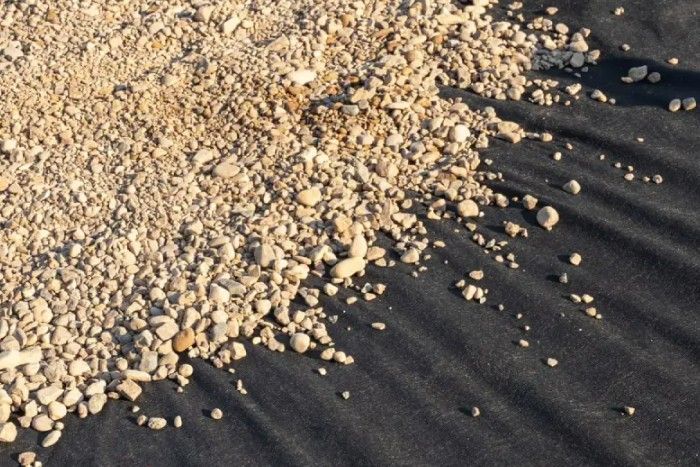
The Grounds Guys Provides a Guide on Installing Landscape Fabric Under Rocks to Enhance Garden Aesthetics and Functionality. Clear the area of debris and level the ground. Roll out the landscape fabric, ensuring full coverage. Secure the fabric with landscape staples. Cut slits for plants if needed. Spread rocks evenly over the fabric. Have you been thinking about giving your lawn a makeover? Using rocks in your landscape is an excellent way to highlight certain features and beautify your yard. Stones add contrast and texture and stand the test of time. They also hold up well in various weather conditions and can withstand plenty of foot traffic, which makes them an ideal option for homeowners looking to add low-maintenance features. Also, water can drain more gradually into the ground through rocks and stones, so the soil has more time to absorb it, reducing the risk of runoff and ground erosion. Whether you’d like to create a stone garden or a gravel pathway, consider installing landscape fabric for rocks. This is a sheet-like covering that can be made of linen, polypropylene, polyester, or recycled materials, and there are many benefits to using it for landscaping projects. If you’re not sure how to install landscape fabric under rocks, you’ve come to the right place. We’ve crafted an easy-to-follow guide to help explain the purpose and process of installing landscaping fabric underneath rocks so your ideal stone landscape is within reach!
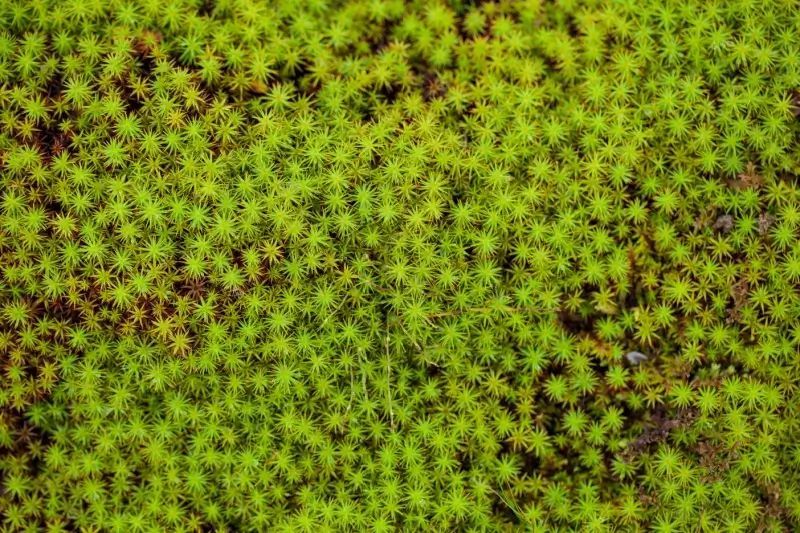
The Grounds Guys Provide Insights on How to Use Peat Moss as A Versatile Gardening Tool. Understand peat moss benefits for soil aeration and moisture retention. Learn how to properly apply peat moss to your garden. Discover the environmental impact of peat moss harvesting. Explore alternatives to peat moss for sustainable gardening. The term peat moss often conjures images of dense, wet bogs in Ireland, Scotland, and Canada. You might be surprised, however, to learn that peat moss is a common soil amendment and is often used in both hydroponics and everyday landscaping in the United States. Maybe your landscaper has recommended adding peat moss to your garden or lawn and you’re curious about peat moss benefits. In this article, we’ll dive into the bogs to help you learn the main uses for peat moss and how you can use peat moss for your lawn. Want to know if peat moss can enhance your landscape? Contact us at The Grounds Guys® to find out how peat moss benefits lawns like yours.

The Grounds Guys Provide Insights on Fast-Growing Ground Cover Plants to Enhance Your Landscape. Choose the right plant for your climate and soil. Prepare the soil by removing weeds and adding compost. Plant during the appropriate season for optimal growth. Water regularly to establish roots. Maintain with occasional trimming and fertilization.