

Black lawn mower icon.

How to Spot and Treat Brown Patch Lawn Disease

November 11, 2025

Brown patch lawn disease, caused by Rhizoctonia solani, can quickly destroy turf during hot, humid weather. The Grounds Guys® experts explain how to identify, treat, and prevent brown patch fungus through balanced lawn care and proper maintenance practices.


Key Takeaways:

  • Recognize symptoms such as circular brown patches, smoky gray rings, and leaf lesions.
  • Treat brown patch fungus with early morning watering, aeration, balanced fertilization, and selective fungicides.
  • Prevent recurrence by improving drainage, reducing thatch, and mowing at the right height.
  • Avoid overwatering and excessive nitrogen, which promote fungal growth.
  • For severe or recurring infections, professional lawn care may be necessary.
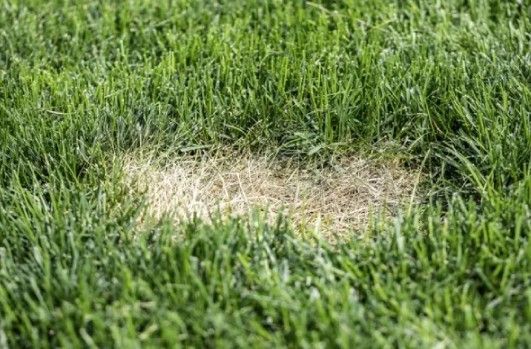
Patch of dead, brown grass surrounded by healthy green grass.

You’re proud of your home. When you have company, the first thing your visitors see is your house and your lawn. “Curb appeal” means a lot. But a gross stretch of dead or discolored grass wipes out that curb appeal real fast.


While it might look like your grass has dried out or been scorched by the sun, there’s a good chance you’re dealing with brown patch lawn disease, a common fungal problem that affects lawns during warm, humid weather.


Knowing how to spot and treat brown patch lawn disease can make the difference between a temporary setback and long-term damage to your turf. Turn that brown upside down; let’s turn that ugly grass back into lush greenery as soon as possible.


Article Contents

  • What Is Brown Patch Fungus?
  • How to Identify Brown Patch Lawn Disease
  • Common Causes of Brown Patch Fungus
  • How to Treat Brown Patch Lawn Disease
  • Preventing Brown Patch in The Future
  • When to Call The Grounds Guys


What Is Brown Patch Fungus?

Brown patch fungus is a turf disease caused by Rhizoctonia solani, a soil-borne fungus that thrives in hot, humid conditions. Cool-season grasses such as tall fescue, perennial ryegrass, and Kentucky bluegrass are at high risk, but it can also damage warm-season varieties like St. Augustine and zoysia.


The fungus develops when moisture and heat create ideal growing conditions—usually when night temperatures remain above 65°F and daytime highs reach 80°F or more. Lawns that stay wet overnight are at risk, so brown patch outbreaks are most common in late spring through early fall.


How to Identify Brown Patch Lawn Disease

Recognizing brown patch fungus early gives you the best chance to control it. The symptoms can vary by grass type, but here are the most common signs to watch for:

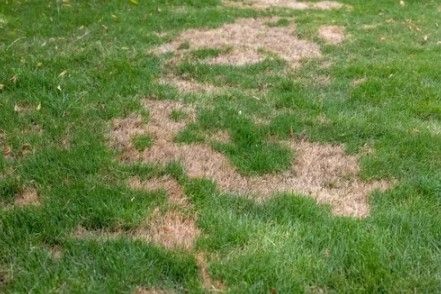
  • Circular patches: The disease often appears as roughly circular areas of brown or tan grass ranging from a few inches to several feet in diameter.
  • Smoky or grayish ring: In the morning dew, you may see a thin gray ring at the border of the affected area. This is called the “smoke ring,” a telltale sign of active fungal growth.
  • Leaf spots or lesions: Individual blades may show irregular tan or brown lesions with darker borders. The blades often wilt and die from the tips downward.
  • Patchy or sunken appearance: As the fungus spreads, the infected areas may look slightly sunken or matted compared to the surrounding healthy turf.


Brown patch fungus can resemble drought stress or fertilizer burn, but unlike those issues, it spreads in circular patterns and typically worsens after humid nights or heavy rainfall.

Patches of brown, dead grass surrounded by healthy green grass.

FAQs About Brown Patch Lawn Disease

As an industry leader, The Grounds Guys are committed to using our 20+ years of landscape knowledge and experience to help bring the vision for your property to life. This includes answering your questions about landscape and lawn care services. Below are answers to some of the most frequently asked questions about brown patch lawn disease.

  • What causes brown patch disease to spread across my lawn so quickly?

    Brown patch fungus thrives in warm, humid weather—especially when grass stays damp overnight. High nitrogen levels from over-fertilizing and poor air circulation also make lawns more susceptible.


    Even healthy lawns can see the fungus spread in just days if mowing equipment or foot traffic transfers infected blades from one area to another. Professional lawn maintenance helps prevent these conditions and limits the spread through proper watering, aeration, and fertilization techniques.

  • How can I tell the difference between brown patch fungus and drought damage?

    While both conditions cause discolored patches, the telltale sign of brown patch disease is a smoky or grayish ring around the affected area, often called a “smoke ring.” Grass blades may appear slimy or wilted in the early morning hours before drying out.


    Drought damage, by contrast, usually results in straw-colored, uniformly dry patches without that ringed pattern. If you’re unsure, a lawn care professional can help diagnose the problem before applying treatments that might make fungal issues worse.

  • Can I prevent brown patch disease without using chemical fungicides?

    Yes! Although fungicides can be effective, most homeowners can reduce the risk naturally through consistent lawn management. The following steps help discourage fungal growth:

    • Mowing at the proper height
    • Improving drainage
    • Reducing nitrogen during hot months
    • Watering early in the day

    For recurring problems, The Grounds Guys may recommend targeted organic treatments or a tailored fertilization plan to strengthen turf resilience while keeping your lawn eco-friendly and safe for pets and children.


    We’re lawn bed maintenance experts. The Grounds Guys helps homeowners maintain healthy, fungus-free lawns through prevention-focused care and professional treatment.

Recent Posts

Home maintenance checklist with tools and blue background.
January 9, 2026
The Grounds Guys Outline Essential Landscape Maintenance Steps for A Beautiful Home Exterior. Regular mowing and edging for a neat lawn Pruning shrubs and trees to promote healthy growth Mulching garden beds to retain moisture and suppress weeds Seasonal clean-up to remove debris and enhance curb appeal
Sprinkler spraying water onto green grass.
January 9, 2026
The Grounds Guys Explain if A Sprinkler System Is Worth the Monthly Water Bill. Assess your lawn's watering needs and local climate Compare manual vs. automatic watering efficiency Calculate potential water savings and costs Consider long-term lawn health and property value Factor in installation and maintenance expenses If you still water your lawn manually, you may stick with this technique because you’re worried that installing an automatic sprinkler system will increase your monthly water bill. Rest assured that most sprinklers improve watering efficiency to lower your water usage! Use the information here to help you determine if the costs associated with a sprinkler system are worth it, and how to maximize your investment.

Sunlight streams through trees onto a grassy field.
January 9, 2026
The Grounds Guys Provide Insights on Heat-Resistant Grasses. Choose warm-season grasses like Bermuda or Zoysia. Ensure proper watering techniques to maintain health. Mow at recommended heights for optimal growth. Fertilize appropriately to strengthen grass resilience. Maintaining a healthy and beautiful-looking lawn requires time and effort, but it starts with having the right grass for your climate. If you live in an area that experiences high temperatures, you need grass that will not only survive the heat but thrive in it. Unlike their cool-season counterparts, warm-season grasses thrive in the heat. In fact, their peak growing season is the middle of summer. Additionally, many — but not all — warm-season grasses are drought tolerant. Read on to learn more about the best grass for hot weather.