The Grounds Guys Provide Expert Guidance on Maintaining Centipede Grass.
- Choose a sunny location with well-drained soil.
- Test soil pH and adjust to 5.0-6.0.
- Water deeply but infrequently to encourage deep roots.
- Fertilize sparingly to prevent excessive growth.
- Mow to 1.5-2 inches for optimal health.
Known as “the lazy man’s grass,” centipede grass has a lot going for it, especially if you prefer a low-maintenance lawn. However, it doesn’t thrive everywhere in the United States and requires some level of care. In the right type of soil and climate, centipede grass can thrive, giving homeowners a beautiful, thick lawn.
Table of Contents:
- What Is Centipede Grass?
- Essential Centipede Grass Care Tips
- Choosing the Best Fertilizer for Centipede Grass
- Troubleshooting Common Problems With Centipede Grass
- When to Reach Out to a Professional for Centipede Grass Care
What Is Centipede Grass?
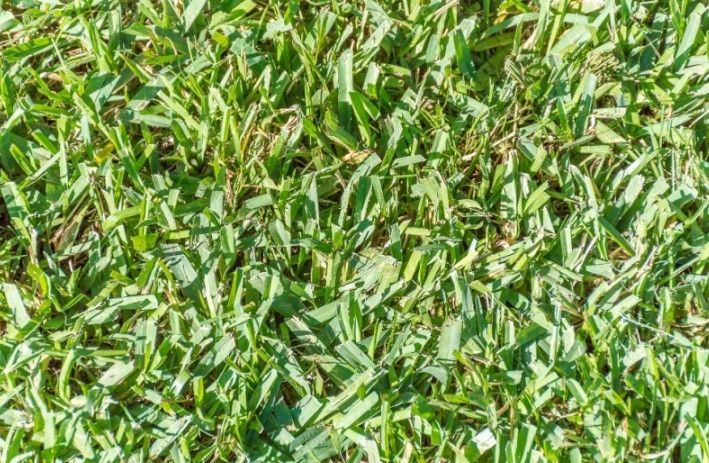
Native to China and Southeast Asia, centipede grass seed was introduced to the U.S. in the early 20th century, and it’s been a favorite turfgrass option ever since. Known for its short, needle-like appearance, centipede grass is coarse in texture and medium to light green in color.
It earned its nickname of “the lazy man’s grass” due to its slow growth, with less frequent mowing and fertilization compared to other grasses. It also grows well in poor soil conditions.
So, what’s the catch? Centipede grass prefers a warm, humid climate, meaning it’s best suited for the Southeastern part of the country. If your little pocket of paradise includes cold winters or dry summers, centipede grass seed probably isn’t right for your lawn.
Essential Centipede Grass Care Tips
If you do live in the South, then centipede grass could be an excellent option for your lawn, especially if you’re looking for a low-maintenance turf grass. Of course, “low-maintenance” doesn’t mean “no-maintenance.”
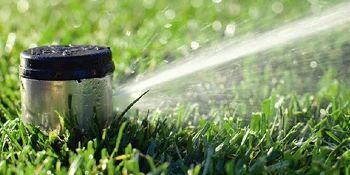
You’ll still need to mow and fertilize your centipede regularly. One of the most important aspects of centipede grass care is watering. Centipede grows shallow roots and doesn’t do well in drought conditions. That’s not often a problem in the South, but during dryer periods, you’ll want to make sure your centipede lawn gets at least one inch of total water per week, whether that comes as rainfall or irrigation.
Choosing the Best
Fertilizer for Centipede Grass
Centipede grass is adapted very well to sandy and low-fertility soils, so you don’t need to fertilize it as much as many other types of turfgrass. We recommend putting in one pound of nitrogen per 1,000 square feet of lawn per year. Take care; it’s actually quite easy to over-fertilize centipede grass. Too much nitrogen could lead to your grass dying.
In some instances, the best fertilizer for centipede grass may be no fertilizer at all. If you aren’t sure if your lawn needs fertilization, it never hurts to bring in a professional landscaping team.
Troubleshooting Common
Problems With Centipede Grass
Though centipede grass is prized for its easy-going nature, you may still run into a few common challenges with your centipede lawn.
Poor
Cold Tolerance
Perhaps the largest risk to your centipede lawn is a cold snap. Extremely low temperatures can harm or kill centipede grass. It can even go into hibernation if soil temperatures dip below 60 degrees for too long. There’s really no good way to troubleshoot the climate except to avoid planting centipede grass seeds if you live in an area that regularly sees cold weather.
Foot
Traffic
Centipede grass is rather delicate and doesn’t do well with heavy foot traffic. If you like to spend a lot of time outdoors, consider adding hardscape features to your lawn, like footpaths and a patio where you and your family can relax without moving over the grass.
Weeds
Stubborn weeds will always find a way to sneak into your lawn regardless of which turfgrass you choose. We recommend using a pre-emergent herbicide on your lawn in the early spring to stop weeds before they start. Just make sure your chosen herbicide is approved for centipede grass.
Pest
Control
Mole crickets, chinch bugs, and billbugs are all critters that may use your lawn for a home. The best weapon will depend on the particular pest in your sights. Look for a pesticide designed to kill the specific critter chewing through your lawn. Other options may include attracting more birds to your lawn to eat the offending bugs or reducing thatch to deprive the bugs of their home.
When to Reach Out to a
Professional for Centipede Grass Care
Centipede grass is a wonderful turfgrass option for owners in the South, but it does need regular care and management. If you don’t have the time, ability, or inclination to do all this work yourself, consider bringing a professional landscaping team like The Grounds Guys®. Professional landscapers provide a wide range of services and can also be helpful if you are dealing with a specific problem, like struggling turfgrass, a pest infestation, or a lawn disease.
Backed by the Neighborly Done Right Promise®, our local teams understand the soil and climate conditions of your area. They can address lawn emergencies, like pests and diseases, and then take over ongoing lawn maintenance. Our southern teams are highly familiar with centipede grass and know exactly how to keep it strong, healthy, and beautiful year-round.
Request a free estimate for lawn care today.
This article is intended for general guidance only and may not be applicable to every situation. You are responsible for determining the proper course of action for your property and your situation. Grounds Guys is not responsible for any damages that occur as a result of any advice or guidance derived from blog content. For the most accurate guidance, contact an independently owned and operated Grounds Guys for more information and a professional on-site assessment.